
Environmental regulations are overwhelming. Where do I start?
Laura Rectenwald • January 30, 2026
Just begin
I recently came across the notion that one of the biggest hurdles to working out is simply putting on your shoes. In much the same way, the initial step in ensuring a site’s compliance is often the hardest part. Although achieving compliance requires time and consistent effort, with proper training and strong support from leadership, any site can reach and maintain a compliant status. Consider initiating the process with a privileged environmental audit by an experienced environmental professional.
Learn the requirements of each of the site permits
Thoroughly review each site permit and compile a comprehensive list of requirements along with a timeline for completing all necessary inspections, reports, and permit renewals. Input due dates into a shared electronic calendar and create a summary checklist of all deadlines to review regularly.
Digital file maintenance
Maintain a complete digital file of all required site documents including plans, permits, training documentation, inspections and manifests. Check all parts of the Notice of Registration monthly for any necessary updates. Be sure that confidential documents are marked accordingly.
Get your steps in--walk the entire site regularly
Depending on the size of the plant site, conduct regular walking inspections of every part of the site as though it were new to you. Make note of any of the following, and schedule resolution of deficiencies such as:
- Unlabeled or improperly labeled material or waste containers
- Excess accumulation of waste including 90-day and satellite storage areas
- Wrong contacts listed on emergency signage
- Chemical containers that are open but not in active use
- Air emission points lacking identification (or authorization)
- Dust collector pressures that are out of compliance
- Dirty air filters
- Excess particulate on the roof, plant interior or outside on the ground near dust collectors
- Missing manometers on paint booths
- Chemical containers outside secondary containment
- Trip/slip hazards, sharp edges, or other safety issues
- Neglected maintenance issues
- Non-stormwater discharges (unauthorized discharge of water from the site when it is not raining)
- Dust or chemicals that are exposed to the elements where contrary to the site Stormwater Pollution Prevention Plan (SWPPP) or other authorizations
- Waste bins that are exposed to the weather
- Oil sheen on stormwater runoff
Practice good housekeeping every day and make it part of the culture
A culture of good housekeeping has many benefits, and giving a good "first impression" has a significant impact on the perception of the plant site condition by visitors. Good housekeeping also keeps employees safer by creating an environment where employees can recognize an abnormal and potentially hazardous condition early. A clean and orderly plant site immediately shows that a site operates with intention and follows procedures.
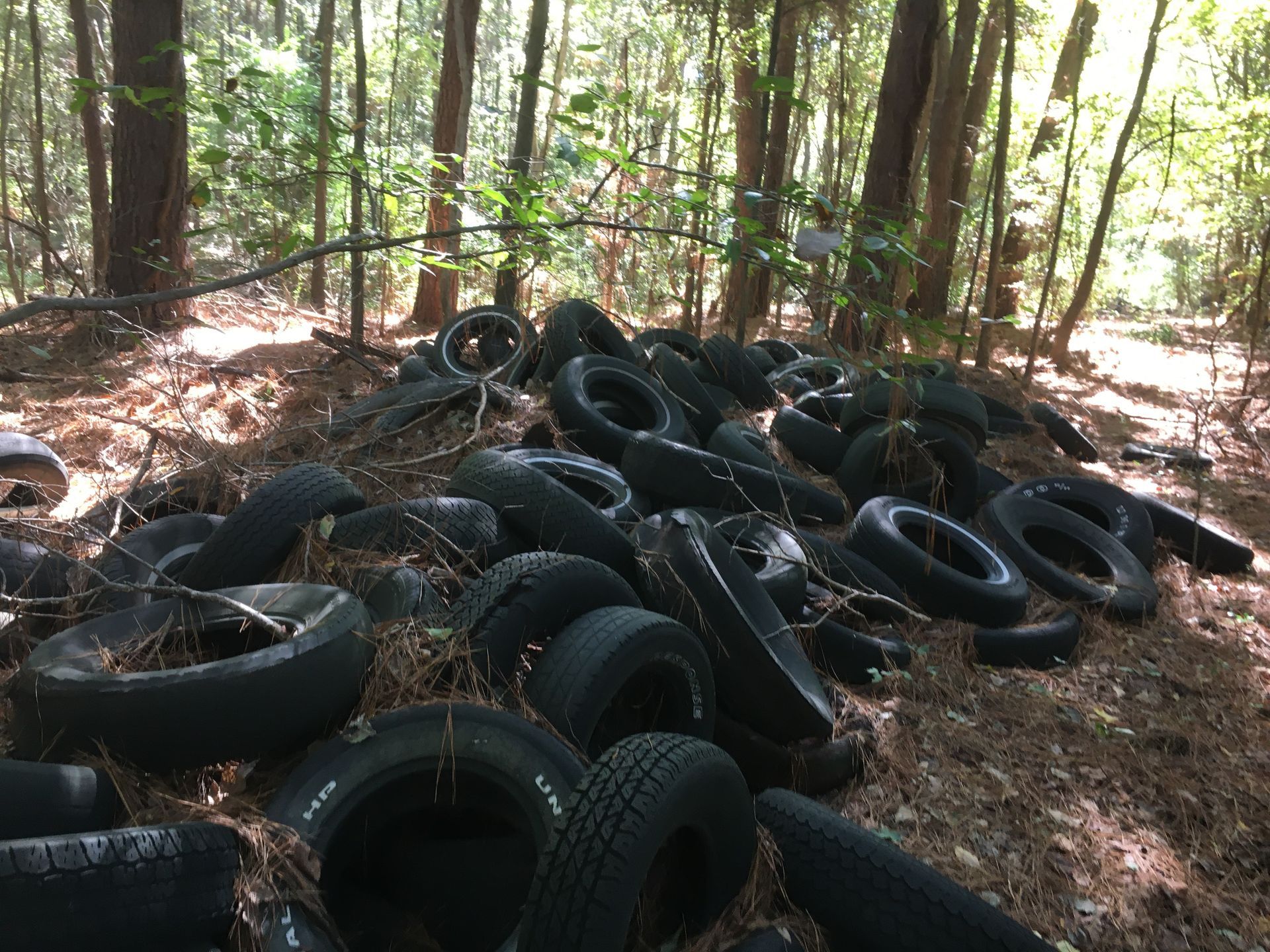
IlIllegal dumping frequently occurs at vacant properties as litterers opt for unmonitored and seemingly "free" disposal locations. Over time, these sites can develop a reputation, attracting multiple offenders or prompting repeated use by the same individual. During Phase I Environmental Site Assessments of vacant rural properties, illegal dump sites are among the most common issues we encounter. The cost of cleaning up these sites can be substantial, even when the materials do not include hazardous waste. In addition to inflicting environmental harm, the unexpected or forgotten presence of a dump site can impede real estate transactions and potentially diminish the property's value.

Hosting inspections by state or federal agencies is an important responsibility for environmental managers. Titanium Environmental Services, LLC (TES) has supported clients during dozens of inspections at many different site types. These simple strategies can help to stay ready, whether the inspection is announced or unannounced.